
Why Every Business Needs a Professional Website in 2026
Professional Website for Business is essential in 2026 because customers search online before choosing products or services. A professional website helps businesses build trust, improve visibility, and generate more leads online.
A profesional website design builds trust instantly. When users land on your site, they judge your credibility within seconds. Clean design, fast loading speed, and mobile responsiveness all play a huge role in keeping visitors engaged.
Moreover, a website works as your 24/7 salesperson. While you sleep, your site can generate leads, showcase your services, and even close sales. This is where combining web design with digital marketing becomes powerful.
Search engine optimization (SEO), social media integration, and conversion-focused layouts help turn visitors into paying customers. Without these elements, even the best-looking website can fail.
If you want to grow online, investing in professional web design and digital marketing is the smartest step you can take.
How Good Web Design Improves Your Conversion Rate?
In the digital world, your website is often the first interaction a customer has with your business. Whether you run an online store, a service-based company, or a personal brand, your website plays a major role in turning visitors into customers. This process is known as conversion rate optimization, and one of the biggest factors influencing it is web design.
Good web design is not just about making a website look attractive—it’s about creating a smooth, intuitive, and persuasive user experience that guides visitors toward taking action, such as making a purchase, filling out a form, or contacting your business.
First Impressions Matter
When a user lands on your website, it takes only a few seconds for them to form an opinion. A clean, modern, and professional design immediately builds trust. On the other hand, a cluttered or outdated design can cause users to leave quickly.
A well-designed website communicates credibility. Elements like consistent colors, readable fonts, and high-quality visuals make your brand appear reliable and professional. This first impression directly impacts whether users stay or bounce.
User Experience Drives Conversions
User experience (UX) is at the core of good web design. A website should be easy to navigate so users can find what they are looking for without confusion.
Clear menus, well-structured pages, and logical navigation paths help users move smoothly through your site. If visitors struggle to find information, they are less likely to convert.
A strong UX design reduces friction and makes the journey from landing page to conversion as simple as possible.
Mobile-Friendly Design is Essential
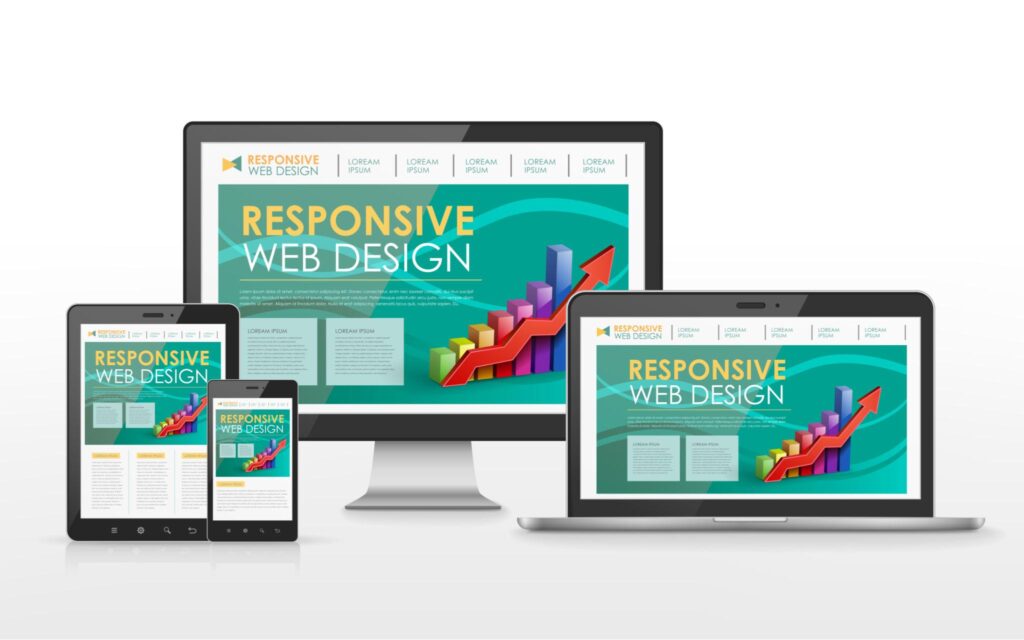
With the majority of users browsing through smartphones, mobile responsiveness is critical. A website that adjusts perfectly to all screen sizes—mobile, tablet, and desktop—creates a better experience for every user.
Search engines like Google Search also prioritize mobile-friendly websites in rankings, which means good mobile design improves both visibility and conversions.
If buttons are too small, text is hard to read, or pages load poorly on mobile devices, users will leave quickly. A responsive design ensures that your website performs well on all devices, increasing the chances of conversion.
Speed Matters More Than You Think
Website loading speed is another major factor that affects conversions. Studies show that even a one-second delay can significantly reduce user engagement.
Fast-loading websites keep users interested and reduce bounce rates. Optimizing images, using clean code, and choosing reliable hosting all contribute to better performance.
A slow website creates frustration, while a fast one encourages users to explore further and take action.
Strong Call-to-Actions (CTAs)
A good web design strategically places call-to-action buttons such as “Buy Now,” “Get a Quote,” or “Contact Us.” These CTAs guide users toward conversion points.
Effective CTAs are visually distinct, easy to find, and placed at key points throughout the website. They should stand out without being overly aggressive.
A well-designed CTA can significantly increase click-through rates and conversions.
Visual Hierarchy and Content Flow
Visual hierarchy refers to how elements are arranged on a page to guide the user’s attention. Important information should stand out first, followed by supporting details.
Good web design uses headings, spacing, colors, and typography to create a natural flow. This helps users process information quickly and encourages them to take action without feeling overwhelmed.
Trust Elements Build Confidence
Trust is a key factor in conversions. Adding elements like testimonials, reviews, case studies, and secure payment badges helps users feel more confident in your business.
When visitors trust your brand, they are far more likely to convert. A professional design naturally supports these trust signals in a visually appealing way.
Conclusion
Good web design is one of the most powerful tools for improving conversion rates. It combines aesthetics, functionality, speed, and user experience to create a website that not only attracts visitors but also turns them into customers.
From first impressions to final actions, every design element plays a role in guiding users. In today’s competitive digital landscape, investing in high-quality web design is not optional—it is essential for business growth and long-term success.
In conclusion, prioritizing web design is crucial for establishing and maintaining consumer confidence. An effective website serves as a reflection of your brand’s values and professionalism, ultimately influencing user behavior. By focusing on a seamless user experience and strategic design choices, businesses can enhance engagement and drive conversions. Therefore, a commitment to exceptional web design is vital for thriving in an increasingly digital marketplace.