
SEO services cost in India for small business
SEO Services Cost in India for Small Business is one of the most searched topics by business owners who want to grow online. In today’s competitive digital market, small businesses need SEO to improve Google rankings, increase website traffic, and generate quality leads. SEO helps businesses attract customers organically without spending heavily on paid advertisements.
The SEO services cost in India for small business depends on several factors such as website size, keyword competition, target audience, and marketing goals. Most small businesses in India spend between ₹5,000 and ₹25,000 per month on SEO services. Small local businesses usually start with affordable SEO packages that focus on local search optimization and basic website improvements.
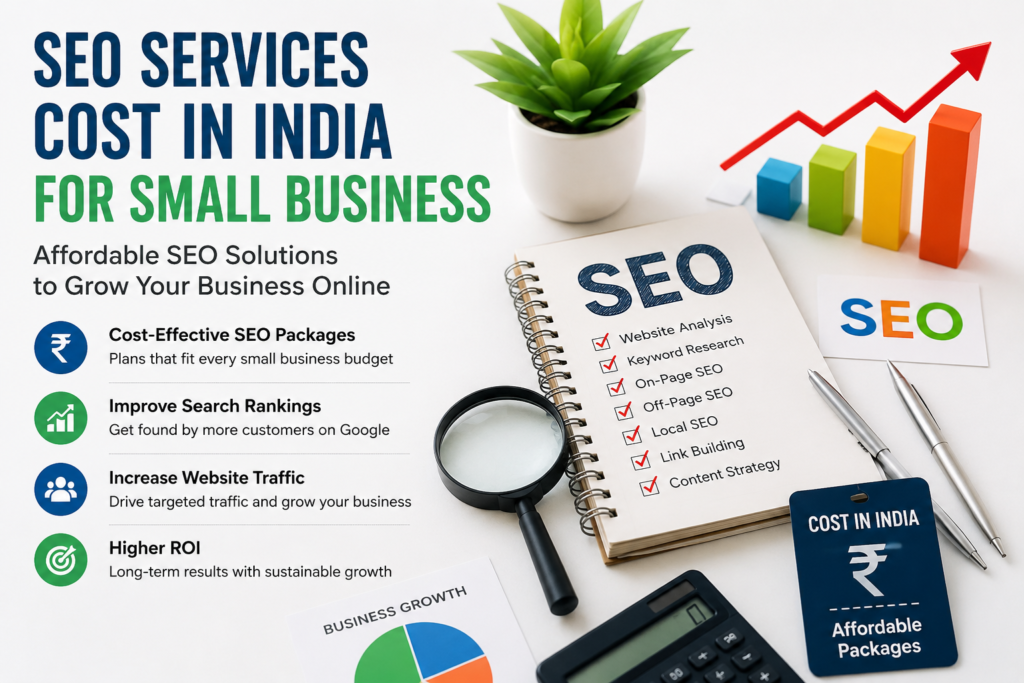
Basic SEO packages generally include keyword research, on-page SEO, meta title optimization, image optimization, Google Business Profile setup, and content improvements. These services are ideal for startups and local businesses looking to build a strong online presence. Businesses targeting local customers can benefit significantly from local SEO strategies because they help improve visibility in Google Maps and nearby searches.
Mid-level SEO packages offer advanced optimization techniques such as technical SEO, backlink building, competitor analysis, blog content creation, and detailed monthly reports. Businesses operating in competitive industries often choose these services to improve search rankings faster and gain long-term online growth.
One major factor affecting SEO services cost in India for small business is keyword competition. Competitive keywords require more effort, content, and backlinks to rank on Google. Businesses targeting multiple cities or nationwide audiences may need larger SEO budgets compared to local businesses targeting specific areas.
SEO is considered a long-term investment because it delivers sustainable organic traffic over time. Unlike paid ads, SEO continues generating visitors even after months of optimization. A properly optimized website helps businesses build trust, improve brand visibility, and attract targeted customers consistently.
Choosing the right SEO agency is important for achieving successful results. Small businesses should look for agencies that provide transparent pricing, regular reports, ethical SEO practices, and customized strategies. Avoid agencies promising instant rankings because SEO requires patience and consistent optimization efforts.
In conclusion, SEO services cost in India for small business can vary depending on business goals and competition, but it remains one of the most effective digital marketing investments. With the right SEO strategy, small businesses can improve online visibility, attract more customers, and achieve long-term business growth at an affordable cost.
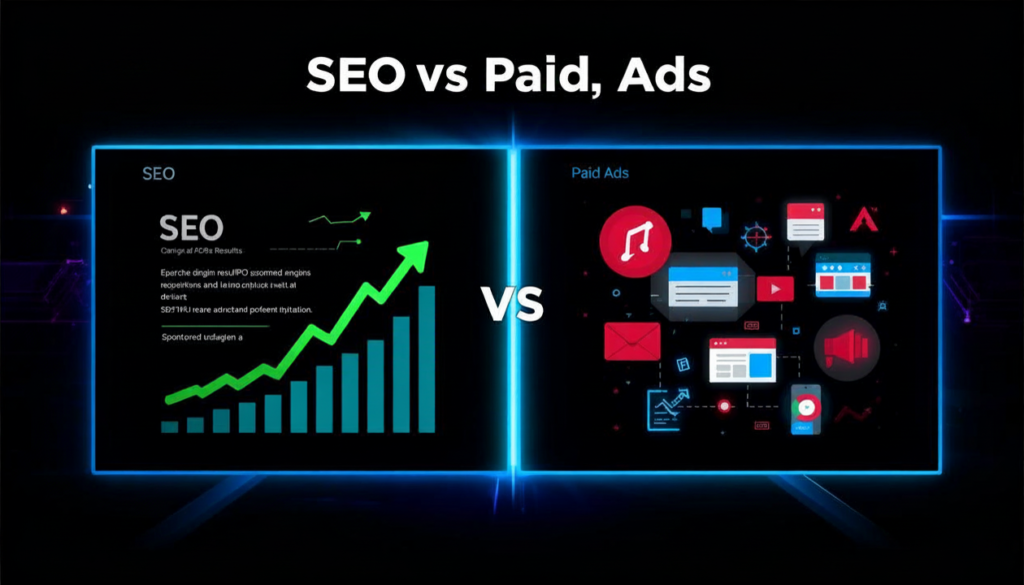
SEO vs Paid Ads – Which One is Better for Your Business?
When it comes to growing your business online, one of the biggest questions is whether to invest in Search Engine Optimization (SEO) or paid advertising. Both strategies can drive traffic, generate leads, and increase sales—but they work in very different ways. The right choice depends on your goals, budget, and timeline.
Understanding SEO
SEO is the process of optimizing your website so it ranks higher on search engines like Google Search. This includes improving your website content, using the right keywords, building backlinks, and ensuring a smooth user experience.
The biggest advantage of SEO is that it brings organic (free) traffic. Once your website starts ranking well, you can get consistent visitors without paying for each click. However, SEO is a long-term strategy. It can take weeks or even months to see noticeable results, especially in competitive industries.
Another benefit of SEO is credibility. Users tend to trust organic search results more than ads. If your website appears on the first page of search results, it builds trust and authority for your brand.
Understanding Paid Ads
Paid advertising, often referred to as Pay-Per-Click (PPC), allows you to display ads on platforms like Google Ads or Facebook. You pay each time someone clicks on your ad.
The biggest advantage of paid ads is speed. You can start getting traffic and leads almost immediately after launching a campaign. This makes it ideal for new businesses, product launches, or time-sensitive promotions.
Paid ads also offer precise targeting. You can choose your audience based on location, interests, age, and behavior. This ensures your ads reach the right people at the right time.
However, the downside is cost. Once you stop paying, the traffic stops. If your campaigns are not optimized properly, you can spend a lot of money without seeing good results.
Key Differences
The main difference between SEO and paid ads lies in time vs money. SEO requires time and consistent effort but offers long-term benefits. Paid ads require budget but deliver immediate results.
SEO focuses on building a strong foundation for your website, while paid ads are more about quick wins and instant visibility.
Which One is Better?
There is no one-size-fits-all answer. It depends on your business needs:
- If you want long-term growth and sustainability, SEO is the better choice.
- If you need quick results and immediate traffic, paid ads are more effective.
- If you have a limited budget, SEO can be more cost-effective in the long run.
- If you are launching a new service or product, paid ads can help you gain instant exposure.
The Smart Approach: Use Both
The most successful businesses don’t choose one over the other—they combine both strategies.
You can use paid ads to generate quick traffic while simultaneously working on SEO to build long-term visibility. For example, you can run ads to test which keywords convert best, then use those insights to improve your SEO strategy.
Over time, as your SEO rankings improve, you can reduce your ad spend and rely more on organic traffic.
Final Thoughts
SEO and paid ads are both powerful tools in digital marketing. Instead of asking which one is better, the real question is how you can use them together effectively.
A balanced approach allows you to get the best of both worlds—fast results today and sustainable growth for the future. If you want to stay competitive in 2026 and beyond, investing in both strategies is the smartest move for your business.